
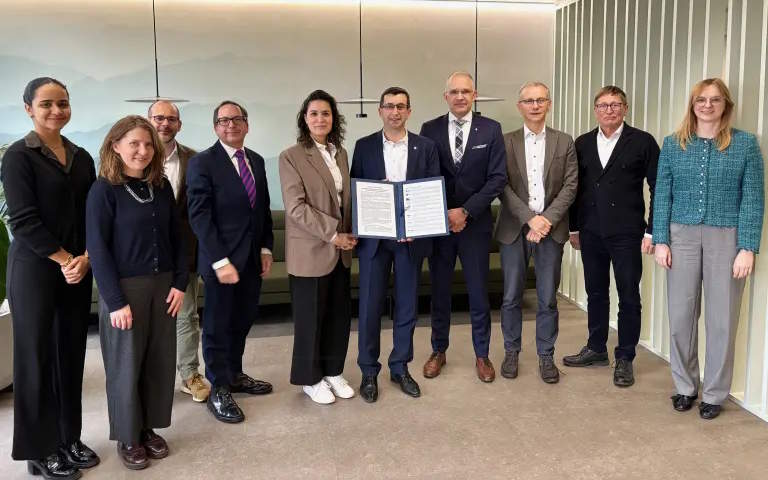
Sea-LNG, along with similar associations representing other industries, has signed a declaration committing to promote the EU’s reindustrialisation, energy security, and advancing its transition to climate neutrality.
The associations view biomethane as a key building block to addressing these objectives and call for promoting its scale-up, including in energy-intensive and hard-to-abate sectors and to contribute to an overall fast and resilient transition. High energy and feedstock costs and regulatory burdens, particularly rising carbon costs, are said to be diminishing the competitiveness of EU industry. They also undercut its capacity to invest in the transition to climate neutrality.
Biomethane is considered to stand out as a domestic, cost-effective, scalable, and immediately deployable solution for industrial solutions enabling transition towards climate neutrality. While electrification and hydrogen can contribute in several applications, a number of key sectors including maritime are expected to remain partly dependent on gaseous molecules as both energy carriers and feedstocks, making sustainable biomethane one of the essential pillars of Europe’s industrial and circular transition. Although the enabling framework is gradually taking shape, persistent gaps and implementation delays continue to limit the pace and scale of market deployment.
Against that background, sustainable domestic biomethane is seen as proven and scalable. Being produced in Europe, its transport infrastructure connects all corners of the EU and neighbouring third-countries vitally supporting energy independence and safety of supply. Biomethane already offers a cost-effective gaseous solution for hard to abate sectors both as an energy vector and in feedstock applications. In addition, Biomethane co-products — namely digestate and biogenic CO₂ — can deliver valuable, circular solutions for some sectors.
Reflecting on its significant potential, the collective industries state they are ready to invest in the biomethane value chain, to develop a home-grown, reliable, and renewable energy source and a strong pilar for Europe energy sovereignty. At present, however, the pace and scale of its deployment remain constrained by gaps in the enabling framework that hamper this nascent market.
To address these gaps, the associations call for:
- Recognition of biomethane potential and removal of barriers to scaling
- Recognise biomethane’s contribution to the EU’s energy and climate targets, including delivery of the 35 bcm of biomethane production target for 2030 under REPowerEU, and ensure its role is fully reflected in the EU’s emerging regulatory frameworks, including initiatives such as the Industrial Decarbonisation Accelerator Act.
- Recognise the circular value as well as the social and local benefits of biomethane production.
- Remove administrative burdens and barriers to biomethane certification and trading across EU borders and with third countries.
- Enable the recognition of biomethane guarantees of origin in corporate and product carbon foot printing. End-consumers need to be able to see the benefit of industrial up take of bio energy and feedstock.
- Aligning with the European Commission simplification agenda, cut disproportionate administrative burdens for EU-wide biomethane production, certification and reporting requirements.
- Remove administrative and market barriers to corporate Biomethane Purchasing Agreements.
- Fully promote biomethane at a similar level as other vectors for reaching climate neutrality, such as green electricity and green hydrogen.
- Support for economies of scale
- Create incentives for low-carbon and/or circular products produced with/ from biomethane.
Funding support at EU level should help drive the technology to scale and close the cost gap to fossil gas. Drawing on experiences with the EU Hydrogen Bank, the associations propose the establishment of a Biomethane Bank support scheme, ensuring long-term Biomethane Purchasing Agreements (BPAs), and strengthen connections between producers and industrial off-takers. Support ought to prioritise off-take in energy-intensive and hard-to-abate sectors.
Unlocking sustainable biomethane at scale is a shared responsibility and a shared opportunity. With the right framework in place, biomethane as a domestic source can deliver emissions reductions today, strengthen Europe’s energy resilience and safety of its supply, support development, and enable the transition to carbon neutrality of Europe’s businesses and citizens.
Image: Accelerating Europe’s climate and industrial transition with European sustainable biomethane (source: Sea-LNG)