
The recently-formed International Association of Maritime Clusters (IAMC) has confirmed its first members, drawn from some 17 national and regional maritime clusters.
The partners have underlined their commitment to improved like-minded cooperation and the worldwide sharing of best practice by joining IAMC, and more are expected to follow suit.
Heading up the list of new members is the European Network of Maritime Clusters and its members from Belgium — De Blauwe Cluster; Bulgaria — Marine Cluster Bulgaria; France — French Maritime Cluster; Greece — Strategis Maritime ICT Cluster; Italy — Federazione del Mare; Luxembourg Maritime Cluster; Malta Maritime Forum; Poland — Baltic Sea & Space Cluster; Portugal — Fórum Oceano; Spain — Clúster Marítimo Español; Ukrainian Maritime Cluster. Other clusters who have joined include the Isle of Man Maritime; the Ethekwini Maritime Cluster in South Africa; the Chambre Monegasque du Shipping in Monaco; Mersey Maritime in the UK and NYMAR – New York Maritime, in New York.
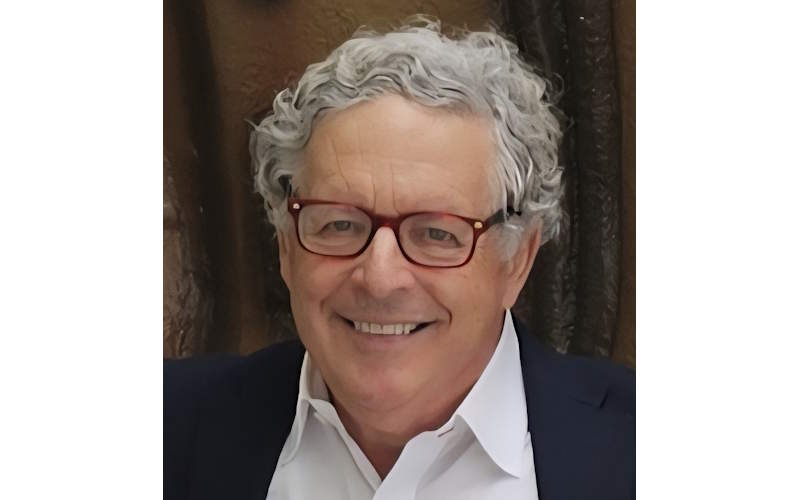
Peter Shaerf, NYMAR Chairman and IAMC President, said: “As we reached out to the global network of clusters we were excited at the interest they showed in advancing the agenda of IAMC which is primarily to promote the global maritime ecosystem. The Board of Governors for the association is in formation and will have representatives from all over the globe.”
Membership of the IAMC is free to international, national and regional clusters while corporate and private companies can join and benefit from high level business networking and cooperation for a small annual fee.
Shaerf added: “There are many commercial and business development benefits to joining IAMC, including faster access to markets and partners; stronger value chains through the alignment of shipowners, ports, energy providers, and service companies across the world.”
The IAMC hopes to present a unified voice at a global level which can engage more effectively with bodies like IMO; provide coordinated input on decarbonisation, digitalisation, and safety regulation; and represent not just shipowners, but the entire maritime value chain.
Among other things, its role will be to operate as a regional to global policy bridge, translating local challenges into global policy recommendations while ensuring that smaller or emerging maritime nations have a voice.
Image: IAMC President Peter Shaerf (source: IAMC)