
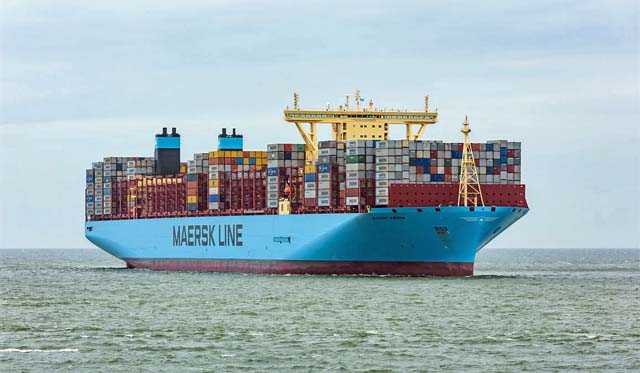
US company WasteFuel, a developer of bio-refineries to convert municipal waste into low carbon fuels, has developed a WasteFuel Methanol Module, which the company says will significantly accelerate the use of organic waste to produce green methanol for shipping.
Major shipping companies including Maersk, CMA CGM, Cosco, Stena Line, and Proman have committed to using methanol to power their vessels. The WasteFuel Methanol Module is designed to produce up to 100t/day of fuel grade methanol from a variety of waste sources including landfill gas and biogas from anaerobic digestion. The process is designed in a modular fashion to improve the overall utilisation of resources and allow for cost-effective, quick scaling.
WasteFuel has filed a provisional patent application directly related to the approach and configuration. The process is engineered to simultaneously wet and dry reform to convert waste into green methanol. The technology will be available for licensing meaning even greater potential for adoption and decarbonisation. When applied at a commercial scale the WasteFuel Methanol Module will produce green methanol fuel that can achieve up to 90% reductions in CO2 and other greenhouse gases and pollutants compared to conventional fuels.
Trevor Neilson, Co-founder, Chairman and CEO, WasteFuel, said: “Green methanol is critically important in decarbonising global shipping and the supply chains of companies who depend on it. There is also a vast market for green methanol in the petrochemicals space. The WasteFuel Methanol Module will allow WasteFuel and companies who license the technology to convert municipal waste more efficiently into green methanol around the world. Consumer product companies who have made net zero commitments will not be able to meet them without a dramatic expansion of green methanol supply.”
WasteFuel aims to produce green methanol that can be used in a variety of markets including shipping, marine transport, and petrochemicals, as well as to license its proprietary process to customers across markets. Existing WasteFuel Methanol efforts include a commercial-scale partnership with Maersk, which has announced its intention to purchase 30,000 tons per year of WasteFuel’s bio-methanol.
As well as green methanol, the company has several biorefinery projects underway that will produce low-carbon fuels which it believes could revolutionise mobility across the transportation sector while addressing the climate emergency.