
According to Danske Rederier (Danish Shipping), biofouling on ship hulls — in the form of small algae, barnacles, and other organisms — can spread invasive species over vast distances and cause problems in marine ecosystems on the other side of the world.
IMO’s Marine Environment Protection Committee (MEPC 83) recently met and much attention was focused on the historic agreement on climate regulation for shipping. However, Danske Rederier points out that IMO is working on many other environmental and climate-related topics. During the session in London, a number of important environmental issues were on the agenda, not least among these was the issue of biofouling.
At MEPC 83, member states approved a circular aimed at helping to ensure clearer international standards for the underwater management of biofouling and highlighting best practices across a range of areas, with recommendations for shipping companies, authorities, equipment manufacturers, and other relevant stakeholders.
Nina Porst, Danske Rederier Director of Climate, Environment and Safety, said: “It is really good news that there is now a prospect of binding regulations on biofouling management. This will certainly help reduce the risk of our ships spreading invasive species harmful to marine environments. I look forward to following the continued work within the IMO and hope — and believe — that we will end up with an ambitious and effective binding regulatory framework within a few years.”
The recommendations are non-binding. Therefore, it was an important step that MEPC 83 decided that, over the next four years, a binding regulatory framework will be developed in this area.
Danish Shipping adopted a policy on biofouling management in 2024.
At that time, Porst said: “There is a lot we can do to reduce the risk of transporting invasive species to vulnerable marine ecosystems. We recommend regular monitoring and cleaning of hulls using non-toxic, long-lasting coatings, as well as innovative hull designs and technologies. Our ships travel vast distances, and we must ensure that we do not carry invasive species with us and harm marine ecosystems on our journeys.”
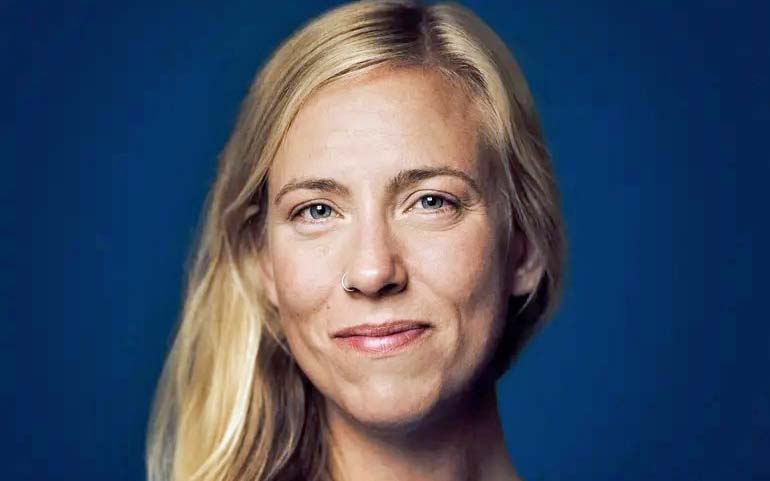
Image: Nina Porst, Danske Rederier Director of Climate, Environment and Safety (source: Danske Rederier)