
Maritime risk and insurance solutions specialist FDR has warned that inland shipping operators face vast financial exposure due to outdated insurance policies that fail to reflect new European Union (EU) climate regulations.
Without swift reform, vessel owners risk significant financial detriment as EU rules are inadvertently placing businesses under pressure. The EU’s Renewable Energy Directive (RED II) and FuelEU Maritime regulations aim to accelerate the adoption of greener biofuels such as Hydrotreated Vegetable Oil, which can cut emissions by up to 80% compared to traditional fossil fuels. In parallel, the EU’s Non-Road Mobile Machinery Regulation requires any inland vessel undergoing an engine replacement to install a Stage V-compliant engine, a standard in force since January 2022.
Current insurance policies typically cover only like-for-like replacement of conventional, fossil-fuel engines. This creates a compliance gap: vessel owners are reimbursed for engines that no longer meet EU standards, leaving them exposed to heavy fines, costly retrofits, or the need to self-fund advanced alternative-fuel engines.
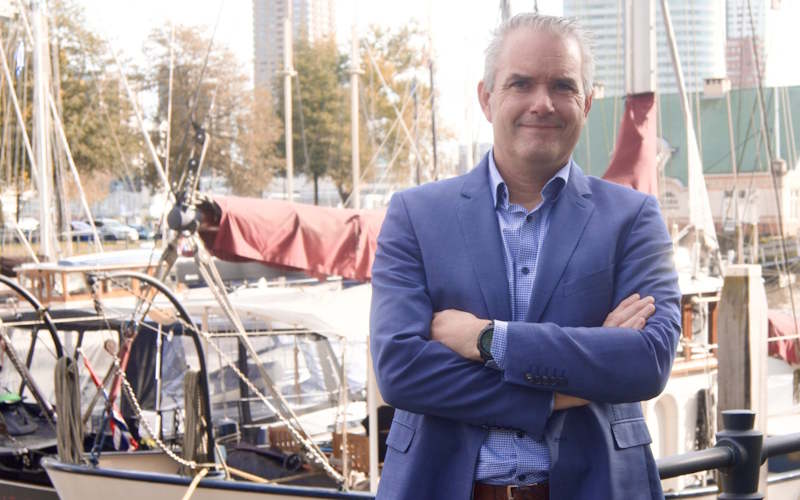
Armand Lans, Broking Manager Marine, FDR, said: “Insurance should provide stability in times of uncertainty, but today’s policies are falling behind the pace of regulatory change. Operators are being forced to choose between financial distress and regulatory non-compliance. The insurance industry must urgently evolve to support the transition, not undermine it.”
Advanced Stage V and alternative-fuel engines are significantly more expensive than traditional diesel models and often require significant onboard modifications to accommodate new fuels, resulting in additional retrofitting costs and reduced cargo capacity. With inland shipping already operating on tight margins, these costs could push parts of the fleet toward economic unviability.
FDR is calling for insurers, brokers, regulators, and banks to collaborate on a compliance-driven insurance model. This approach would cover the cost of cleaner engines, retrofitting expenses, and operational realities, helping safeguard vessel operators and the resilience of Europe’s inland shipping network.
Inland shipping is considered a cornerstone of Europe’s logistics network. It transports bulk commodities, agricultural goods, and manufactured products while emitting a lower carbon footprint than road freight. If financing and insurance fail to keep pace with the decarbonisation agenda, it is feared that this advantage could be lost as Europe accelerates towards net zero emissions.
Image: Armand Lars, Broking Manager Marine, FDR Risk (source: FDR)