
Independent university testing has proved that marine fuel consumption and associated emissions could be reduced more quickly and cost-effectively than previously assumed, using existing vessels and standard fuels already in circulation.
A study conducted by the National Technical University of Athens (NTUA) has found that a fuel treatment technology developed by UK-based Fuelre4m delivered measurable efficiency improvements in large marine engines operating on conventional marine fuels.
In the most conservative fixed test condition, where shaft speed and load are deliberately held constant, fuel consumption was reduced by 3.5%–6.7%, demonstrating that the fuel delivers more usable energy per unit consumed. In real-world operation, where engines are not artificially constrained and can reduce load to achieve the same work, this improvement expresses as a materially larger efficiency gain, with independent testing showing propulsion efficiency improvements of up to 21%.
The results were achieved without engine modifications, hardware changes, or alterations to fuel specifications. According to the researchers, the efficiency gains were attributable solely to changes in fuel behaviour during combustion. The findings are thought to have significant implications across the maritime sector, which consumes more than 200m tonnes of fuel annually and continues to face rising pressure to reduce emissions while managing operating costs. Even incremental efficiency gains, if adopted at scale, could contribute to meaningful reductions in GHG emissions and fuel expenditure across global fleets.
The research comes as shipowners and operators assess compliance pathways under tightening international and regional emissions frameworks, including IMO decarbonisation targets. Rather than relying solely on newbuilds, alternative fuels, or long-term infrastructure investments, the study points to a near-term option applicable to vessels currently in service.
George Papalambrou, Associate Professor, NTUA, said: “We were surprised by how consistent the efficiency improvements were across different operating conditions.”
Rob Mortimer, CEO Fuelre4m, added: “Fuel remains one of the most significant cost components in maritime operations. Reducing consumption delivers immediate economic and environmental benefits. What’s notable here is that these results were achieved using existing engines and fuels, allowing operators to act now rather than waiting for future solutions.”
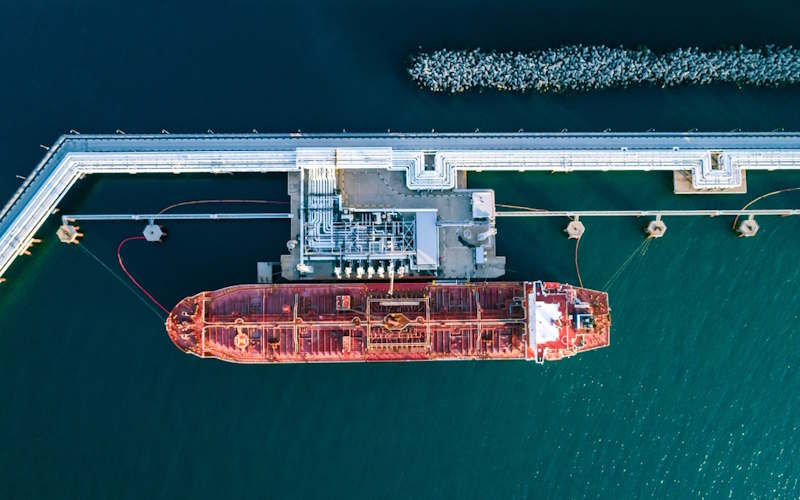
Image: Fuel treatment can bring emission savings to existing ships (source: Fuelre4m)