
Interferry, the global voice of the ferry industry, has endorsed the European Commission’s launch of the Industrial Maritime Strategy and the inherent critical recognition of the ferry sector’s strategic importance.
Notably, the push for Member States to reinvest EU Emissions Trading System (ETS) revenues into maritime decarbonisation aligns directly with Interferry’s long-standing recommendations. The strategy notes that the maritime industry faces annual financing needs for fleet decarbonisation estimated between €2.4bn and €8.5bn. Therefore, Interferry is pleased that the Commission is responding to its calls to use a significant portion of the approximately €10bn in annual ETS collections to support the uptake of clean technologies. This includes a proposed dedicated EU mechanism to provide shipping companies with ETS allowances for sustainable fuels and clean propulsion, linked to EU preference criteria.
Interferry notes that the strategy complements recent findings by environmental groups which highlight the vast potential for ferry electrification. For the ferry sector, electrifying ports to facilitate shore power is the ‘lowest-hanging fruit’ for immediate decarbonisation: By landing electricity at the dockside, Member States can drastically reduce port-city emissions and de-risk operator investments in battery-electric vessels.
Johan Roos, Interferry Director of Regulatory Affairs, said: “The Commission is moving in the right direction by recommending that ETS funds be used exactly where they are collected: in maritime decarbonisation. However, we must warn that funding must target the existing industry and fleet to its full extent and should not be restricted only to prestigious projects without broad impact; We know what we need to do to decarbonise and what helps us is practical support, whether for onshore power supply, electrification or alternative fuels.”
Interferry says it appreciates the commitment to ease the administrative burden and the recognition that EU legislation must be revised once a global IMO measure is established to avoid double payment. While the industry welcomes the focus on European shipbuilding, Interferry emphasises that these measures must support, rather than distort, free market dynamics and the immediate need for infrastructure at the terminal level.
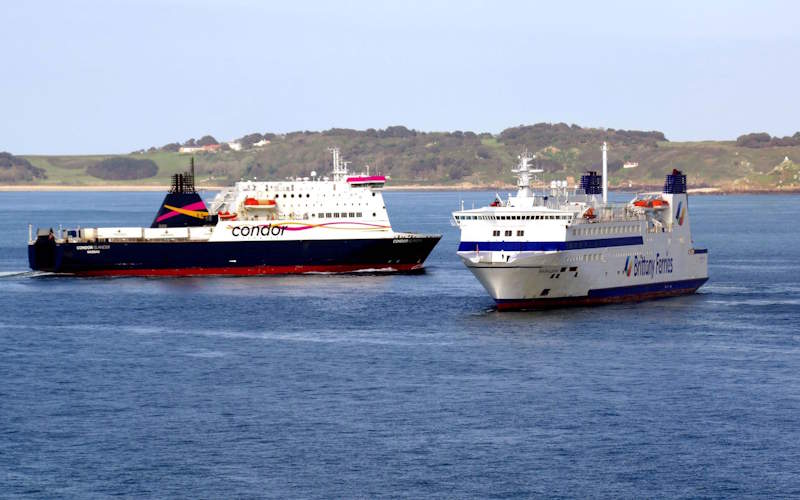
Image: Interferry believes funding must target the existing fleet as well as new projects (credit: Brittany Ferries/Tony Rive)