
The European Commission’s recent proposal for a targeted revision of the EU ETS to strengthen European industrial competitiveness and support delivery of the EU’s 2040 climate target has been welcomed for shipping decarbonisation, sustainable fuels and simplified reporting, but European Shipowners warned that the current approach leaves many energy-efficiency projects and clean technologies outside the funding framework.
PortXchange says that criticism is justified, but that the review misses a vital part of shipping’s transition: ports. PortXchange argues that shipping decarbonisation cannot be achieved through alternative fuels and onboard technologies alone. Better voyage planning, port-call coordination and information sharing can also reduce avoidable waiting, unnecessary acceleration and congestion-related emissions.
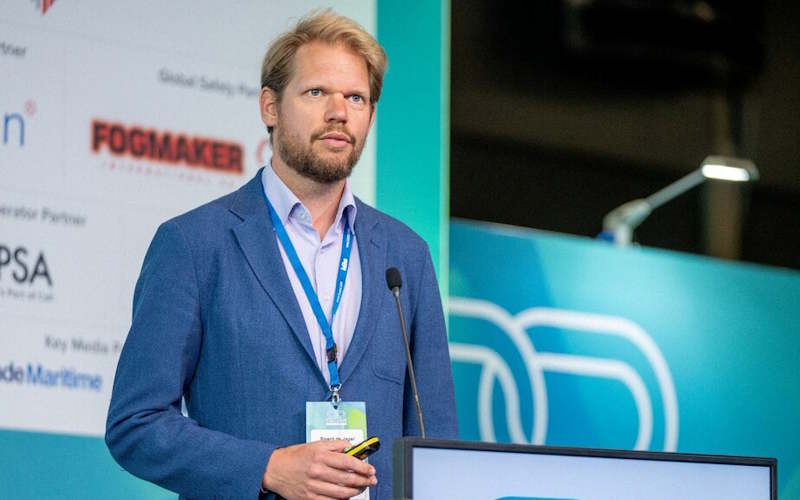
MD and Co-Founder, PortXchange Sjoerd de Jager, said: “Earmarking shipping revenues for shipping decarbonisation is absolutely the right direction. But ports cannot be treated as spectators in this transition. They are one of the few places where emissions from today’s fleet can be understood, influenced and reduced immediately. It makes little sense to collect billions from shipping emissions while excluding measures that can cut those emissions now. Sustainable fuels are essential, but they remain expensive, scarce and uncertain. Europe should not fund only the future while ignoring the operational waste happening in and around ports every day.”
While much of the industry remains focused on alternative fuels, ports and shipping companies can already cut emissions caused by unnecessary waiting, excessive speed before arrival and poor coordination.
De Jager added: “Most vessel emissions occur during the voyage, but some of the quickest opportunities to reduce emissions are found in the final stages of a port call. When vessels have reliable information about berth availability and operational readiness, they can adjust speed, reduce fuel consumption and avoid unnecessary waiting at anchor. We already know how to do this.”
PortXchange believes that operational efficiency should be treated as real decarbonisation, not as a secondary measure that sits outside the funding conversation. Digital emissions intelligence, port-call optimisation and better operational coordination can help ports identify where emissions occur, understand which activities are driving them and target interventions that deliver measurable reductions across today’s fleet rather than waiting for tomorrow’s vessels. PortXchange also believes greater consistency in emissions reporting will be essential if ETS-funded projects are to demonstrate meaningful progress.
PortXchange’s position is informed by its work helping ports measure and address emissions across maritime and landside operations. Its EmissionInsider platform monitors and analyses Scope 1, 2 and 3 emissions across vessel, truck, rail and terminal activity, giving ports the visibility needed to identify major emissions sources, prioritise decarbonisation measures and demonstrate whether those interventions are delivering results.
De Jager concluded: “The industry often talks about future fuels as though decarbonisation begins when the next generation of ships arrives. The reality is that many of the vessels operating today will still be sailing well into the 2040s and beyond. We cannot afford to ignore opportunities that reduce emissions from the fleet we already have. We cannot talk seriously about a level playing field while every port is measuring a slightly different race. The methodology does not need to be perfect on day one, but it does need to be consistent enough for ports, regulators and customers to understand whether emissions are genuinely falling.”
Image: Sjoerd de Jager, MD and Co-Founder, PortXchange (source: PortXchange)