
Royal Caribbean Group (RCL) says it has laid important groundwork for the industry’s alternative fuel ambitions by completing over 12 consecutive weeks of biofuel testing in Europe.
The company’s quest for lower-carbon energy solutions is driven by its commitment, known as ‘SEA the Future’, to sustaining the planet, energising communities, and accelerating innovation. RCL believes that by introducing methods that reduce emissions today, the group is ultimately advancing the decarbonisation of its operations.
Jason Liberty, President and CEO, RCL, said: “This is a pivotal moment for Royal Caribbean Group’s alternative fuel journey. Following our successful trial of biofuels this summer, we are one step closer to bringing our vision for net-zero cruising to life. As we strive to protect and promote the vibrant oceans we sail, we are determined to accelerate innovation and improve how we deliver vacation experiences responsibly.”
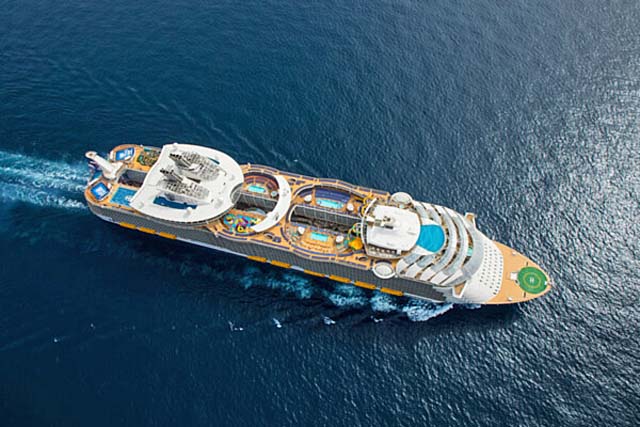
Royal Caribbean International’s Symphony of the Seas has become the first ship in the maritime industry to successfully bunker a biofuel blend in Barcelona to meet part of its fuel needs. The company confirmed onboard technical systems met operational standards, without quality or safety concerns, demonstrating the biofuel blend is a reliable ‘drop in’ supply of lower emission energy. The tests across Europe provided valuable data to understand the availability and scalability of biofuel in the region.
Port of Barcelona President Lluís Salvadó said: “Royal Caribbean’s success is a clear example of how commitment to innovation makes possible the development of solutions to decarbonise the maritime sector. In this case, it involves the cruise sector and focuses on biofuels, an area in which the Port of Barcelona is already working to become an energy hub, producing and supplying zero carbon fuels, such as green hydrogen and ammonia, and of other almost zero-carbon alternative fuels, such as methanol, biofuels or synthetic fuels. Innovation and collaboration between ports and shipping companies is key to accelerate the decarbonisation of maritime transport.”
The company began testing biofuels in 2022 and expanded the trial in Europe to two additional ships — Royal Caribbean International’s Symphony of the Seas and Celebrity Cruises’ Celebrity Apex. The sustainable biofuel blends tested were produced by purifying renewable raw materials like waste oils and fats and combining them with fuel oil to create an alternative fuel that is cleaner and more sustainable. The biofuel blends tested are accredited by International Sustainability and Carbon Certification (ISCC), a globally recognised organisation that ensures sustainability of biofuels and verifies reductions of related emissions.
With Symphony of the Seas departing from the Port of Barcelona and Celebrity Apex departing from the Port of Rotterdam, both ships accomplished multiple sailings using biofuel and contributed critical data on the fuel’s capabilities. These results will help accelerate RCL’s plans to continue testing the use of different types of biofuels on upcoming European sailings. The company is exploring strategic partnerships with suppliers and ports to ensure the availability of biofuel and infrastructures to advance the maritime energy transition.
RCL’s sustainability journey began over 30 years ago, and it has remained steadfast in its commitment to innovate, and advance, the solutions necessary for a more sustainable future.
RCL is the owner and operator of three cruise brands: Royal Caribbean International, Celebrity Cruises, and Silversea Cruises. It is a 50% owner of a joint venture operating TUI Cruises and Hapag-Lloyd Cruises. Together, the brands have an additional 10 ships on order.