
SodaFlexx International will announce its next generation technology at Shippax 2024. This technology helps scrubber owners, ferries and all other vessels comply with IMO regulations.
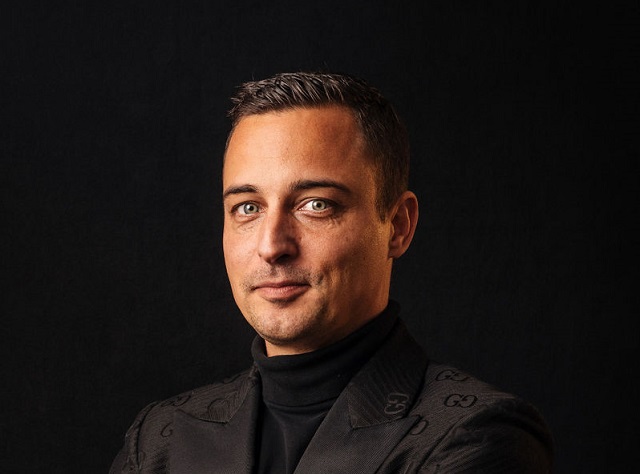
“We anticipated the scrubber and wastewater ban. Our new technology helps vessel operators adapt to this new political reality” remarked Sander Castel, CEO of SodaFlexx International.
According to the Danish Environment Ministry, open loop scrubbers contribute excessive levels of heavy metals and tar substances in the marine environment. The Danish scrubber wastewater ban can reduce the discharge of nickel into the sea by up to 20% and anthracene by 7%.
In a groundbreaking move towards environmental responsibility, the shipping industry is undergoing a transformative shift to address the detrimental impact of acidic wastewater and pollutants on the delicate balance of our oceans and seas. The direct discharge of harmful substances has long been a concern, leading to disruptions in the pH levels of marine environments and threatening marine life.
Recognizing the urgency of the situation, industry leaders are exploring well-proven alternatives, such as the innovative N-Flexx® SOx technology, which neutralizes sulfur oxide emissions and prevents acidification. This game-changing approach marks a significant step forward in mitigating the adverse effects of shipping activities on the marine ecosystem.
As the shipping sector enters a transition phase, akin to other industries, the focus is on evaluating and implementing cutting-edge technologies that prioritize sustainability and environmental stewardship. The next decade will be crucial for the adoption of transition technologies that not only meet regulatory standards but also contribute to the long-term health of our oceans.
Sander Castel emphasize the need for a careful assessment of these new technologies to ensure their efficacy, efficiency, and safety for the environment. By investing in sustainable practices and embracing innovative solutions, the shipping industry is poised to lead the charge towards a cleaner and greener future.
With a collective commitment to reducing pollution and protecting marine biodiversity, the shipping industry is setting a positive example for other sectors to follow. By working together to implement sustainable measures and prioritize environmental conservation, we can safeguard our oceans for generations to come.
This shift towards sustainability in the shipping industry is not just a trend—it’s a crucial step towards preserving the world’s oceans and seas for future prosperity. Let’s continue to support and celebrate these efforts as we move towards a more environmentally conscious and responsible future.
“Our technology works for all vessels. If your vessel has an open loop scrubber, you can use our technology as an add-on. Your scrubber would then function as a hybrid allowing you to continue using your current fuel. In short, we offer a Baltic proof solution” Sander added.
N-Flexx®, an exhaust gas desulphurization system and a powder sorbent are at the heart of this technology. Green and cost effective, the N-Flexx® is approved by environmental agencies and flag states. That means vessels can travel in ports and Emission Controlled Areas.
How the technology works
Solvay, a pioneer in essential chemistry, developed a sodium-based sorbent under the SOLVAir® Solutions brand. This sorbent is safe to store, easy to handle and environmentally friendly.
“When this sodium-based sorbent is injected directly into your existing exhaust gas piping with the N-Flexx® gas desulphurization system, the sulphur component is neutralized. This technology is a game changing solution, which avoids the use of seawater” commented Elwin Koning, Project Director of SodaFlexx International.
The sodium-based sorbent is based on a technology in use for more than 30 years. Over 500 Solvay customers are using this process on land to treat flue gasses and reduce SOx, NOx and HCI emissions” he added.
Thanks to Solvay’s global logistics network, SodaFlexx International customers can receive an ample supply of this sodium-based sorbent – when and where they need it.