
As the maritime industry prepares to enter 2026, Wärtsilä has identified four important trends that will affect global shipping in 2026.
From the rise of digitalisation and big data to the growing importance of flexible decarbonisation strategies, these trends – lifecycle optimisation, flexible decarbonisation strategies, digitalisation/bigdata/analytics and regulatory unpredictability -are set to redefine competitiveness, efficiency, and sustainability for vessel owners and operators.
The company believes that decarbonisation approaches must be tailored to each vessel’s operational profile, available fuels, and business priorities. A flexible strategy – encompassing planning, integration, and continuous monitoring – can ensure vessels remain competitive and compliant as technology and regulations evolve. Investments in fuel-flexible engines, hybrid propulsion, and methane slip mitigation are among the solutions enabling owners to future-proof their fleets.
Despite the recent delay in the IMO’s Net-Zero Framework, Wärtsilä believes that the regulatory landscape is continuing to evolve, with regional initiatives like the EU ETS and FuelEU Maritime impacting a significant portion of global shipping. As businesses prepare for stricter emissions requirements, robust compliance and reporting protocols are becoming essential.
Roger Holm, President, Wärtsilä Marine, said: “As we look ahead to 2026, collaboration will play a vital part in driving the sustainable transformation of shipping and shaping a cleaner and smarter future for the maritime industry. Wärtsilä’s leadership in fuel flexibility, integration and cross-industry partnerships reflects the growing need for OEMs, operators, ports, fuel providers and regulators to work together. We stand shoulder-to-shoulder with our customers, bringing innovative solutions, expert guidance and a clear focus on enhancing efficiency and creating long-term value. Legislation is critical to accelerating investment in alternative fuels, but it is no silver bullet. Decarbonisation is a team effort. The maritime ecosystem is full of remarkable ingenuity and world-class technical excellence that we can use to drive decarbonisation and digitalisation hand in hand. We already have the tools in the toolbox to build a cleaner, smarter future for global shipping.”
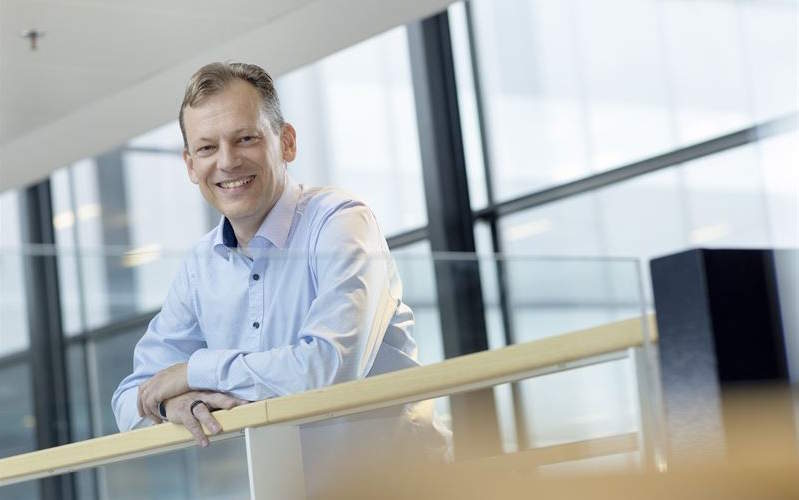
Image: Roger Holm, President, Wärtsilä Marine (source: Wärtsilä)